Need home tree removal in Fremont?
Questions about a tree, a stump, or a storm mess? Send a request and a local provider can follow up with next steps.
No obligation
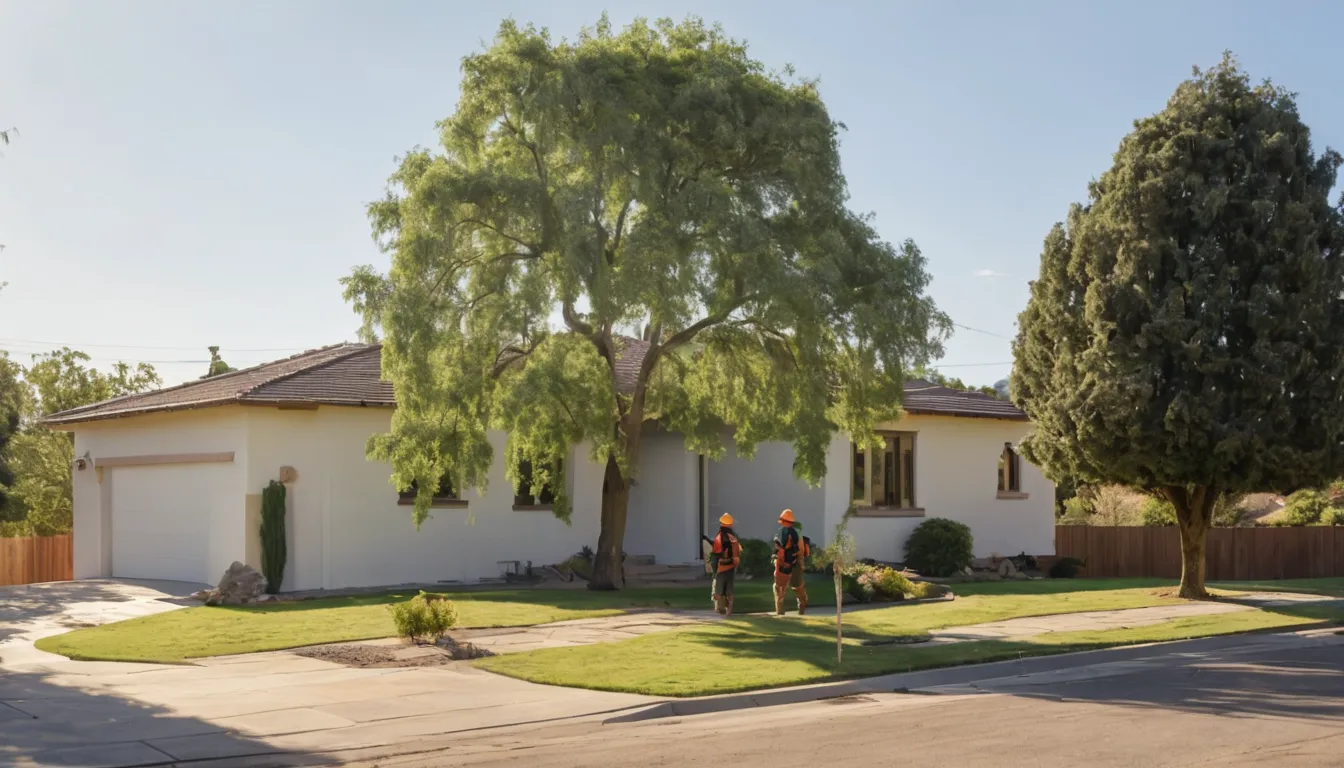
If you have never had a tree taken down, the whole thing can feel confusing. Who do you call? What will it cost? Is the tree safe to leave for another week? These are normal worries, and you do not have to sort them out alone.
Sensitiveanyone Tree Service is a referral service. We connect homeowners in Fremont and the Fremont area with independent local providers in our network. Providers do the work, from cutting to hauling away. This page walks you through the basics in plain words: what to look for, how to take photos, how pricing works, and how to ask for an estimate when you are ready.
A tree that looks wrong can keep you up at night. Maybe it leans. Maybe a big limb cracked. Take a breath. You do not need to know tree terms to take the first step. You only need to look, take photos, and ask a provider for help.
Some signs are more urgent than others. Watch for these:
If a tree is close to your house, treat it as more urgent than one at the back fence.
Keep people and cars away from the tree. Do not climb it or try to cut it yourself. Chainsaws and falling limbs hurt many homeowners every year. Stand a safe distance back and take photos from several sides.
If a tree is down or about to fall, Request a callback to check provider availability.
Winter rain and wind can loosen roots in dry soil. After a storm, a tree may be down across a yard, a fence or a driveway. Many providers offer emergency tree removal and storm tree clearance, and some can respond quickly. Availability varies, so ask.
If a tree is touching power lines, stay away and contact your utility first.
Not every job is an emergency. People often plan a removal for calmer reasons. The tree may be dying after a long dry season. Roots may be pushing on a foundation or pipes. Some homeowners want more sun, a clear spot for a new patio, or a tree falling service before a bigger problem grows.
The process is simpler than it looks. Here is the usual order.
They check the size, the lean, the nearby buildings and the path to the tree.
It should list the work, the cleanup and the price.
On a tight lot, the tree is often cut in sections and lowered piece by piece. In open space, it may be felled in one direction.
Logs and branches are cut up and hauled off, or left if you ask.
Good photos help a provider give a clearer quote. Take a wide shot of the whole tree. Take close-ups of cracks, dead limbs and roots. Add one photo that shows the tree beside your house, fence or wires. Write a short note with the date, what you noticed and any storm that came before.
Keep these in one folder on your phone. They also help if you later talk with your insurer.
Price depends on the job, not just the tree. Height, trunk width, nearby buildings, power lines, and how hard it is to reach all matter. Hauling debris away adds cost too. Always ask for a written quote that shows what is included, and compare it with a second one if you can.
Some cities protect certain trees by size or type. Others need a permit for larger removals, even on your own lot. Rules vary by town and sometimes by neighborhood. Ask the provider what applies where you live, and check with your city office if you are unsure. Rental homes and HOA properties may need approval first.
A few simple checks help. Ask if the provider carries liability insurance and workers' compensation, and ask to see proof. Ask who will be on site. Get the scope and price in writing. Be careful with anyone who asks for full payment up front or knocks on your door after a storm.
Move cars out of the driveway and off the street nearby. Clear patio furniture, planters and toys from the work area. Tell your neighbors, since noise and falling limbs can reach past your fence. Keep pets inside. Be home or reachable to answer questions.
Many homes here are stucco ranches on slabs or raised foundations. Ask how the provider will protect stucco, windows, irrigation lines and fences. Point out anything fragile before work starts, and share your photos so nothing is missed.
Walk the yard with the provider before they leave. Check for ruts, loose branches and cut ends that look rough. Decide what to do with the wood. Some people keep logs for the fireplace, and others ask for chips to use as mulch. A stump may be left behind, so ask about the next step if you want it gone.
You do not need to decide everything today. Gather your photos, jot down your notes, and ask for an estimate. A provider in our network can walk you through the rest.
A provider looks at the tree's size, lean and surroundings so the quote matches the real job.
Providers use ropes, lifts and cutting tools to bring the tree down away from your home.
Branches and logs are cut up and hauled off, or left for you if you prefer.
Ask for scope, cleanup and price in writing so there are no surprises on the day.
These are typical U.S. ranges. Real prices vary by tree, access, local rules and cleanup needs, so always get a written quote from the provider before work begins.
| Item | Typical range | Notes |
|---|---|---|
| Small tree (under 30 ft) | $150 – $500 | Easy access keeps the price low |
| Medium tree (30–60 ft) | $400 – $1,200 | Depends on trunk width and lean |
| Large tree (over 60 ft) | $1,000 – $3,000+ | Often needs a crane or lift |
| Tree near house or wires | $800 – $3,000 | Extra care and rigging add time |
| Storm-damaged tree | $500 – $3,500 | Urgent or tangled jobs cost more |
| Debris hauling | $100 – $500 | Ask if it is part of the quote |
Snap wide and close-up shots, then jot down what you see and when.
Send your details or Request a callback to check provider availability.
Review scope, cleanup and price, and ask about insurance and permits.
Pick a time with the provider and prepare the yard for work.
Simple steps and clear words help first-timers know what to expect before anyone arrives.
Independent providers in our network know local trees, soil and weather.
Photos and notes make estimates clearer and help with any insurance talk.
Ask questions and request an estimate with no obligation.
Questions about a tree, a stump, or a storm mess? Send a request and a local provider can follow up with next steps.
Typical U.S. prices run from about $150 for a small tree to $3,000 or more for a large one. Access, nearby buildings and cleanup change the total, so ask for a written quote.
It depends on your city, the tree's size and type, and sometimes your neighborhood. Ask the provider and your local city office before work starts.
Some policies may cover sudden damage, such as a tree falling on your house. Coverage varies, so check your policy. Providers can often help document damage with photos and notes for a claim.
Questions about a tree, a stump, or a storm mess? Send a request and a local provider can follow up with next steps.
No obligation